
3D Printing in Architecture: Building the Future, One Layer at a Time
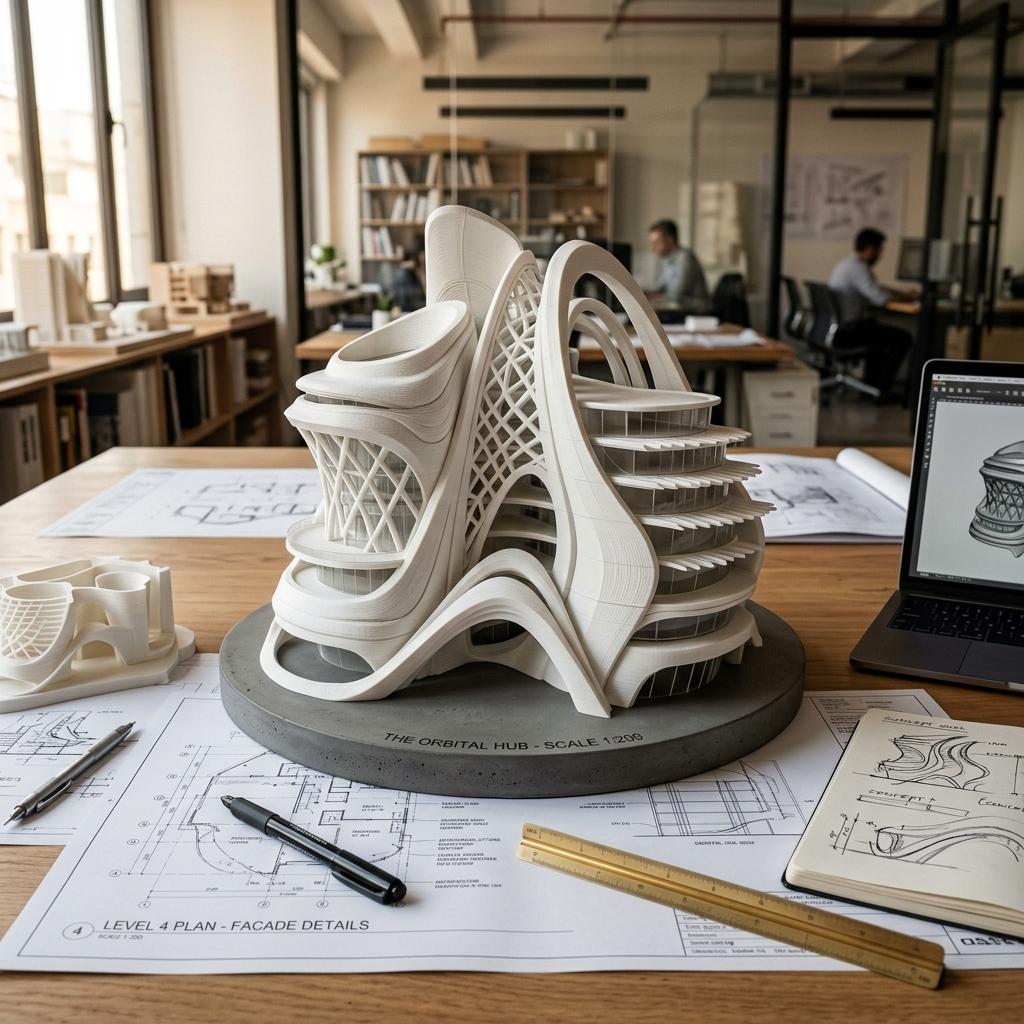
Integrating 3D printing into architectural design is transforming the industry. No longer limited to computer screens, architects can now utilize ThinkToReality to convert complex digital drawings and concepts into tangible, physical models. This hands-on interaction makes design communication, client presentation, and structural analysis interactive and deeply rewarding. Physical models bridge the communication gap, allowing stakeholders to easily grasp spatial layouts.
For decades, architectural firms relied on cardboard, foam, and wood to construct study models, a process taking weeks and prone to scaling mistakes. Additive manufacturing replaces this manual labor with a fast, digital workflow, printing directly from CAD designs. ThinkToReality provides specialized, high-resolution prints that highlight interior walls, stairs, and structural details.
Unlocking Complex Geometries and Detailed Models
Traditional model making is a labor-intensive process, often taking days or weeks to assemble foam, wood, or cardboard. ThinkToReality's advanced SLA and FDM printing processes automate this layout, producing highly detailed models in a fraction of the time. This allows architects to easily showcase complex organic forms, sweeping curves, and intricate internal structures that would be nearly impossible to build by hand.
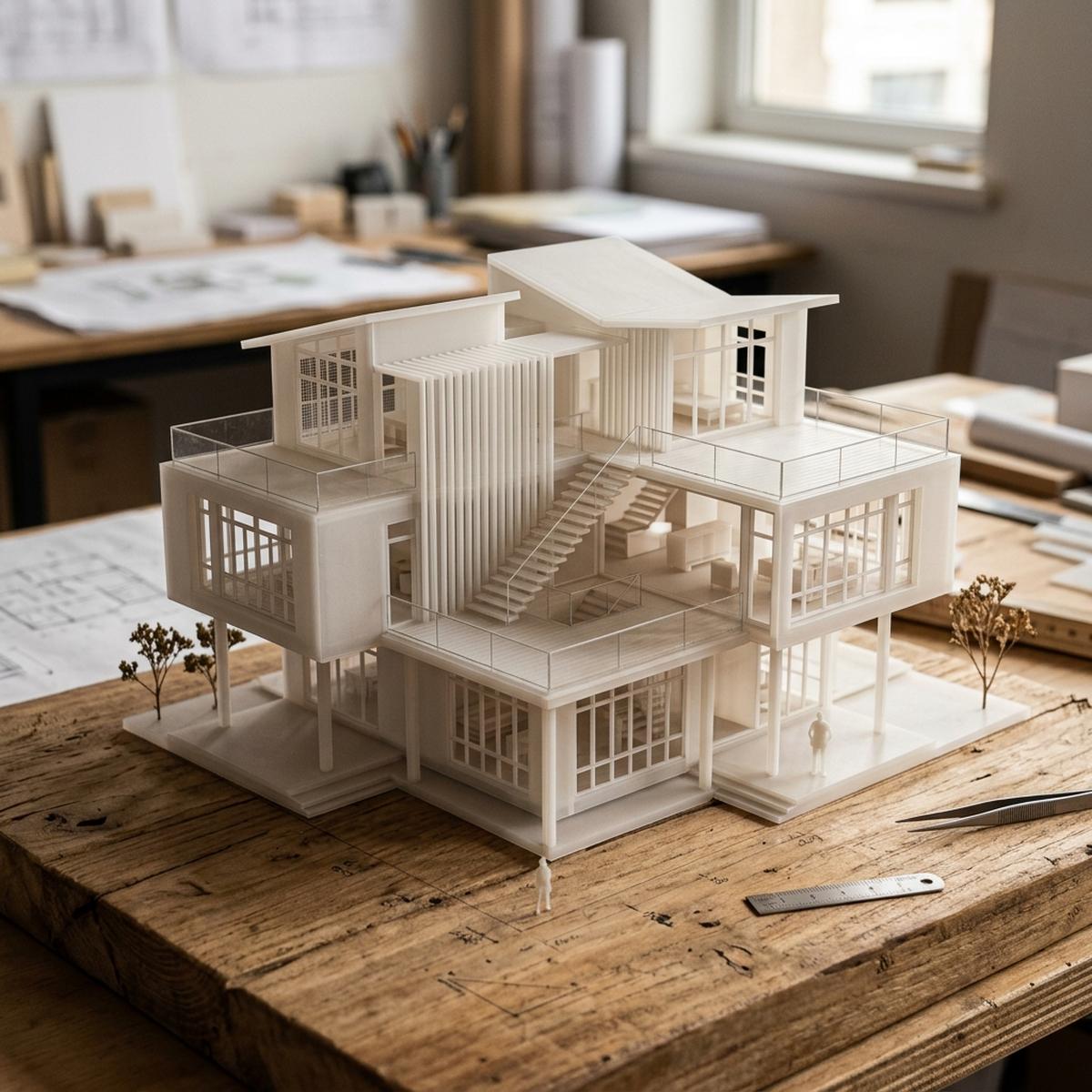
SLA architectural layout layers and modular structural scale model tests at ThinkToReality.
By rendering detailed sections of architectural projects, builders can verify structural joints, column heights, and window frame fittings before ordering construction materials. These scaled models help developers pitch design projects to city planners and secure approvals faster, thanks to the precision of ThinkToReality's scale modeling services.
Accelerated Design Iteration and Presentation
During the early planning phase, design changes are constant. With ThinkToReality's rapid turnaround times, architects can quickly print design updates overnight and compare physical models side-by-side. This helps design teams and clients visualize spacing, examine shadows, and align on structural changes faster, reducing misunderstandings before construction begins.
These iterations prevent expensive on-site changes during building phases. Visualizing a project in three dimensions reveals structural issues that are difficult to detect on 2D layouts or computer screens, helping architects refine the overall aesthetic.
Preparing for the Future of Construction
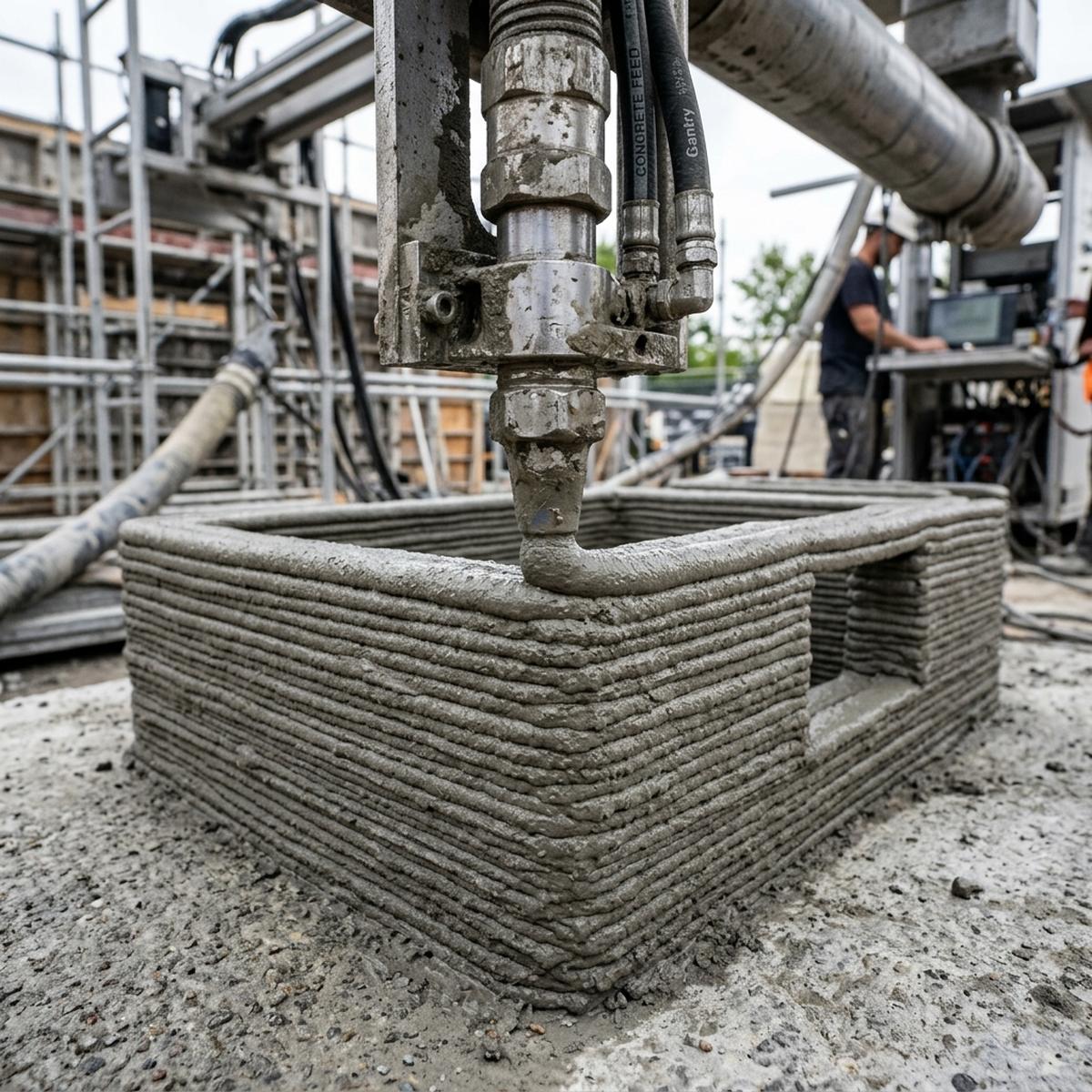
Beyond scaled design models, additive manufacturing is entering the field of large-scale concrete printing. From houses to bridges, 3D printed structures use precise material placement to reduce waste, speed up assembly, and open up new design freedom for the next generation of civil engineering, supported by ThinkToReality's design expertise. We help architects design with manufacturing in mind.
Summary
By incorporating 3D printers into schools and design studios, architects are moving away from passive visuals toward physical interaction. ThinkToReality empowers designers to build, test, and present their ideas with high precision and clarity.
Related Insights
3D Printing for Healthcare in India: Costs, Benefits & Use Cases
Discover how 3D printing is revolutionizing healthcare in India, from custom implants and prosthetics to surgical simulations and anatomical models.
Reverse Engineering in Product Development: From 3D Scan to CAD Model
Learn how 3D laser scanning and reverse modeling services accelerate product design, replicate legacy components, and optimize industrial parts.