
Scaling Up Production: When to Transition from 3D Printing to Injection Molding
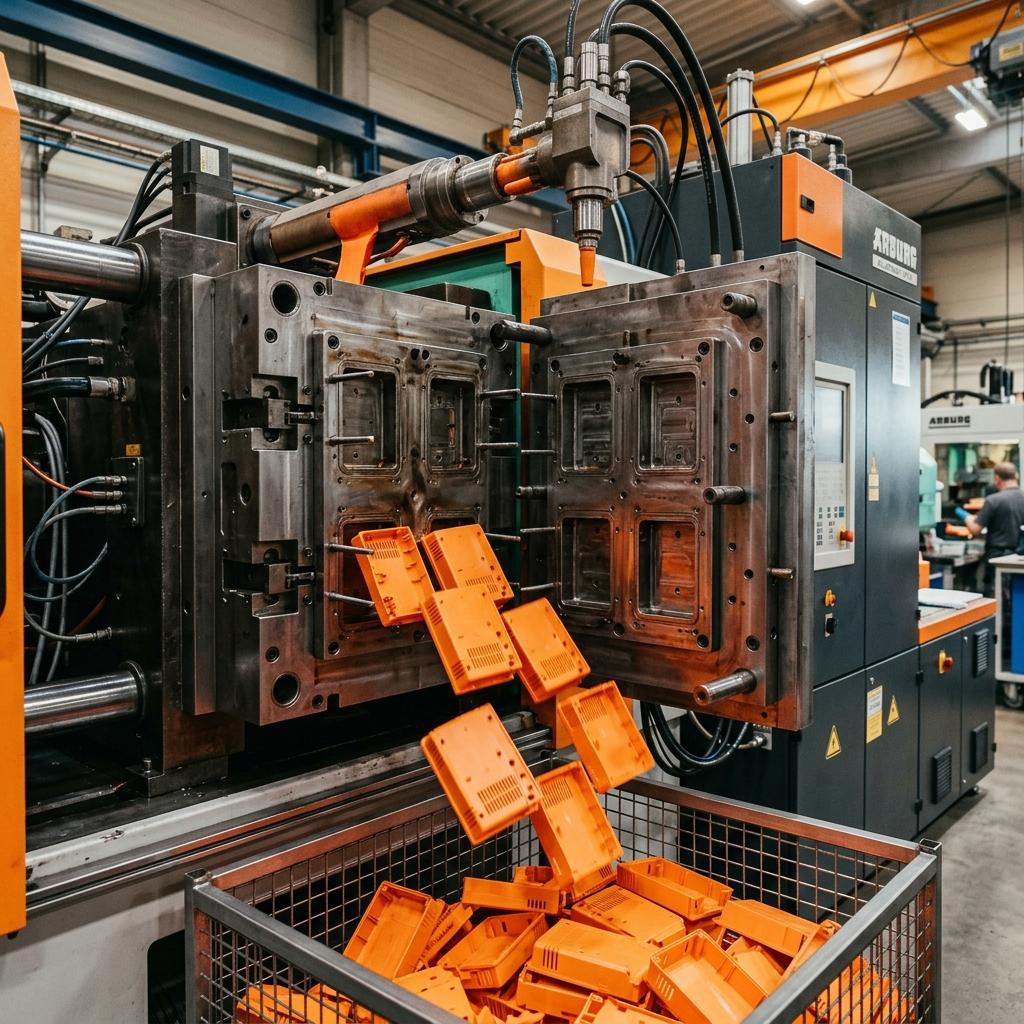
For startups and hardware companies, one of the most critical business decisions is selecting the right manufacturing process. Additive manufacturing (3D printing) is excellent for low volumes, but as order demand grows, ThinkToReality provides standard injection molding services to transition into high-volume scale-up. This guide explains how to identify the right time to transition, balancing tooling budgets and unit prices.
The transition represents a shift in financial layout. While 3D printing has higher part costs and zero tooling, injection molding reverses this dynamic, requiring significant mold investment but dropping part costs to a minimum. ThinkToReality helps analyze your product volume to ensure a cost-effective transition.
3D Printing: Low Tooling, Higher Part Cost
3D printing requires zero setup fees or mold tooling costs, making the initial investment negligible. However, because parts are printed layer-by-layer, the print time per part is high, which makes the unit cost constant and relatively expensive. This is ideal for quantities ranging from 1 to 500 parts, which you can easily quote on ThinkToReality's automated platform.
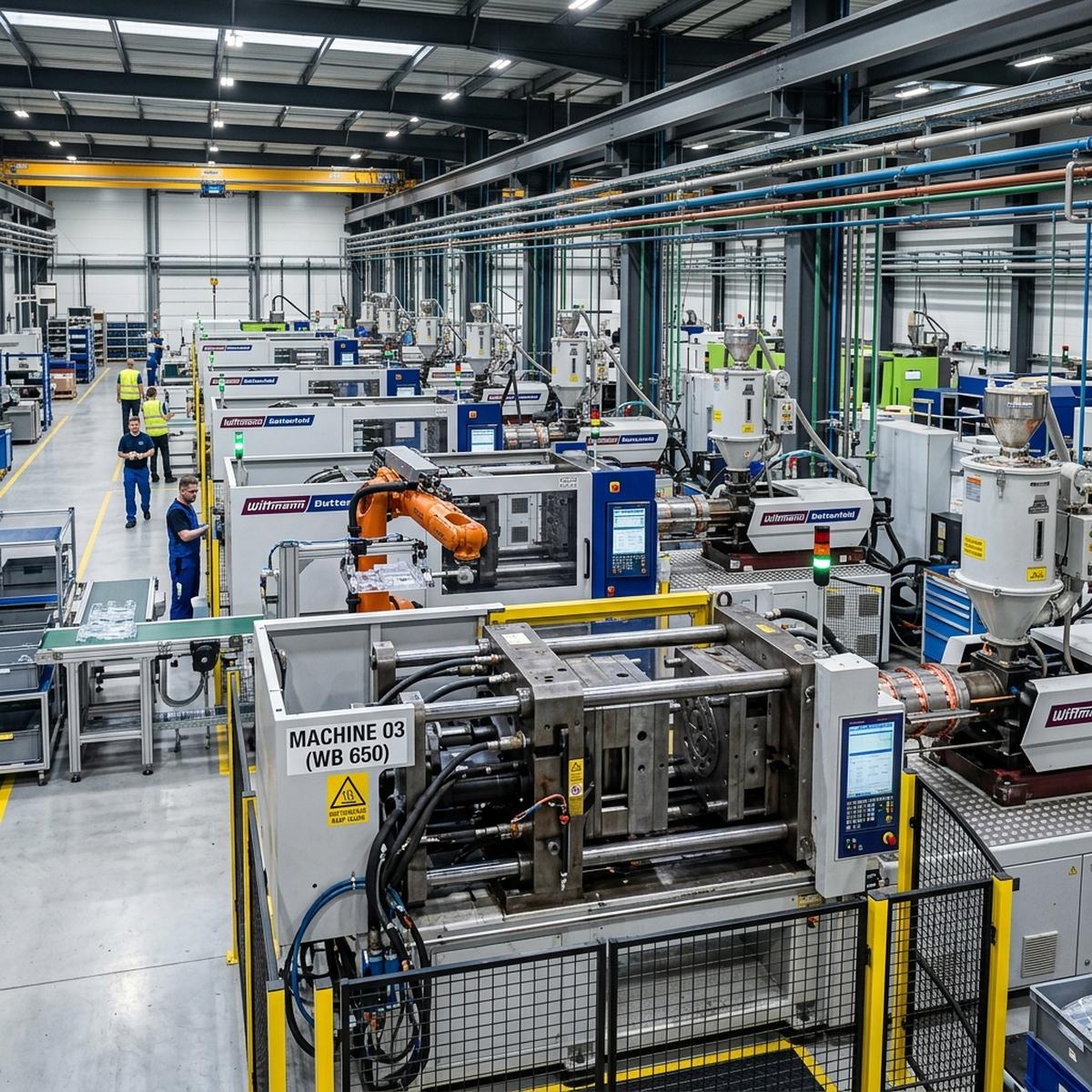
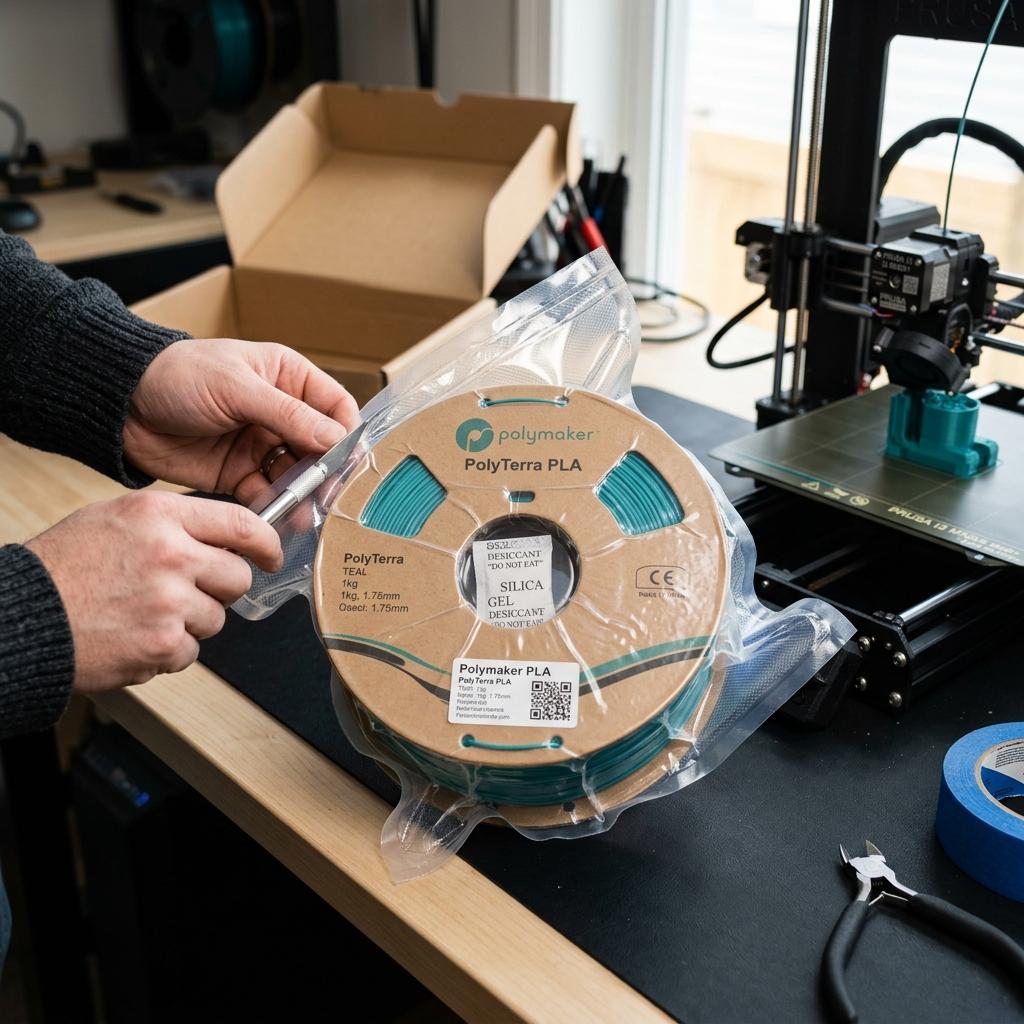
Factory molding machine systems and filament material packaging setups at ThinkToReality.
Injection Molding: High Tooling, Extremely Low Part Cost
Injection molding requires a significant upfront investment to design and machine custom steel or aluminum molds. However, once the tooling is complete, the cycle time per part is extremely fast. ThinkToReality's mass production molding drives the material and processing cost per part down to a fraction of the cost of a 3D print.
Calculating the Crossover Volume
To find your crossover point, calculate the total cost for both methods at different quantities:
* **3D Printing Total Cost** = Part Cost × Quantity
* **Injection Molding Total Cost** = Tooling Cost + (Molded Part Cost × Quantity)
Typically, for custom plastic components, once you need more than 1,000 to 2,000 units, the total cost of injection molding (including tooling) becomes cheaper than 3D printing. Additionally, molding from ThinkToReality provides superior mechanical strength, watertightness, and professional cosmetic finishes.
Conclusion
Use 3D printing for design iteration, fitment testing, and early pilot runs. Transition to custom injection molding from ThinkToReality once product design is locked and customer order demand justifies the mold tooling investment.
Related Insights
3D Printing for Healthcare in India: Costs, Benefits & Use Cases
Discover how 3D printing is revolutionizing healthcare in India, from custom implants and prosthetics to surgical simulations and anatomical models.
3D Printing in Architecture: Building the Future, One Layer at a Time
Learn how architects use 3D printing to create detailed models, construct complex shapes, and turn digital concepts into physical realities.